 English



ON SALE!
1 Size Included
Filled
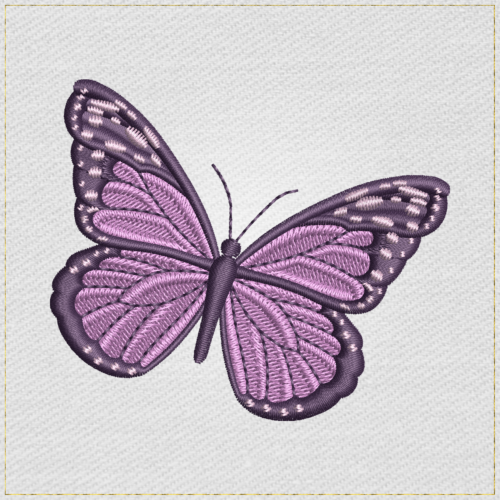
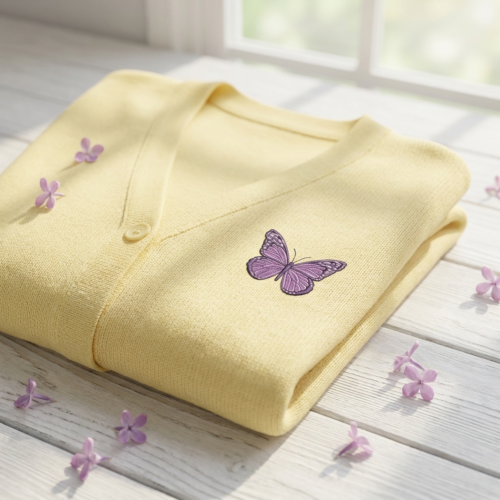
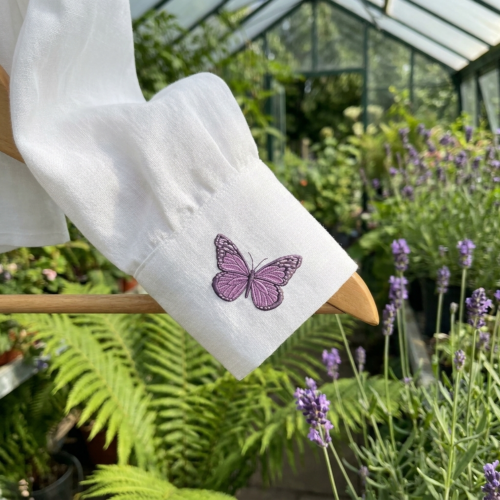
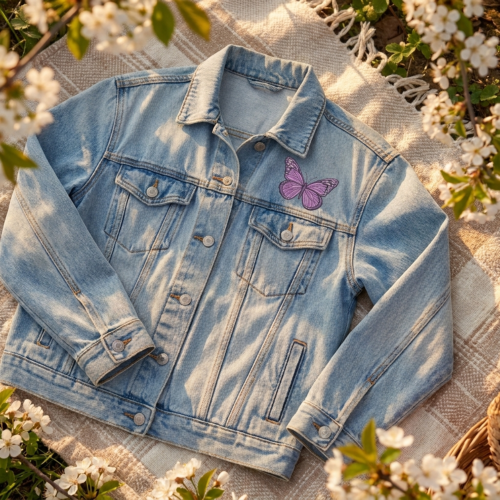
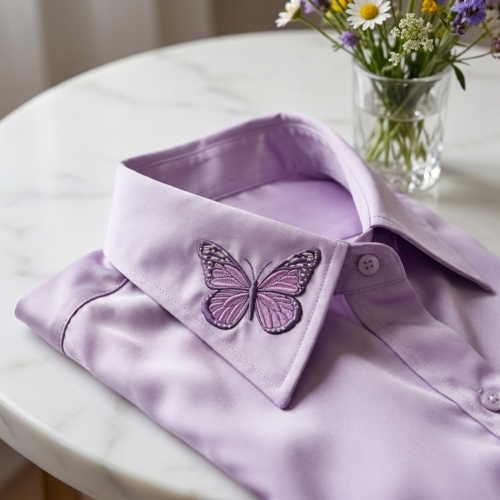
Lilac Flying Butterfly Embroidery Design
Original price was: $6.99.$4.99Current price is: $4.99.
Instant Download
♦ Hoop Size: 4×4
♦ Made for Embroidery Machine
♦ Machine File Formats: DST, EXP, HUS, JEF, PES, VP3, XXX.
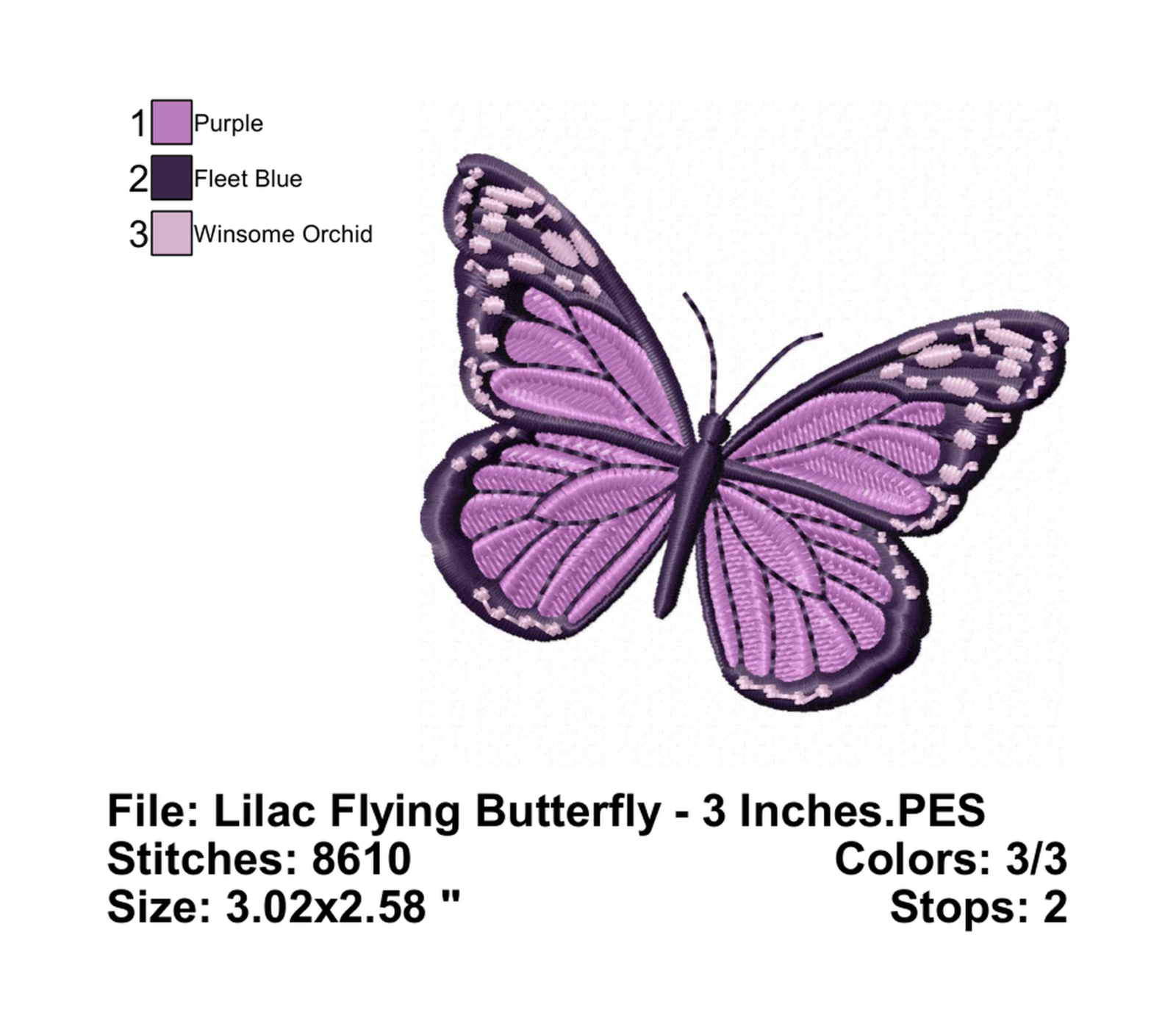
Our designs include PES, DST, XXX, JEF, EXP, VP3, HUS Formats. Additionally, we include .edr format compatible with Embird Software Color Charts, complemented by PDF Production Worksheet for seamless execution. If you require a different format, contact us with your order number for further assistance.
Designs are for embroidery machines and provided in digital format. Therefore, it’s crucial to verify compatibility with your machine and familiarize yourself with file extraction and transfer procedures before making a purchase.
Yes, the hoop sizes mentioned are referring to standard hoop sizes commonly used in embroidery!
| Hoop Size | Inches | Millimeters |
|---|---|---|
| Small Hoop (Small Square) | 4×4 | 100×100 |
| Medium Hoop (Medium Rectangle) | 5×7 | 130×180 |
| Large Hoop (Large Square) | 8×8 | 200×200 |
| Large Rectangle Hoop | 6×10 | 160×260 |
| Jumbo Hoop (Large Square) | 10×10 | 260×260 |
| Mega Hoop (Large Rectangle) | 7×12, 8×12 | 180×300, 200×300 |
| Giant Hoop (Large Rectangle) | 9.5×14, 10.5×16 | 240×360, 272×460 |
| Hat Hoop (Hat Frame) | 2.5×5.1 | 63×130 |
Understanding your embroidery machine’s hoop capabilities is essential for optimal performance. Designs such as “in the hoop” and “applique” are not compatible with repositionable or multi-positional hoops. Please note our no-refund policy..
We prioritize your satisfaction and offer unlimited revisions on all digitization projects until you are completely satisfied.
Enhance your projects with our embroidery digitizing service. Our team, with over a decade of expertise in embroidery, digitizing, and operating embroidery machines, ensures every embroidery design achieves perfection. We prioritize your satisfaction and offer unlimited revisions on all digitization projects until you are completely satisfied. Quote now!

step 1
MAKE A PURCHASE
Find a design you love and click the “Add to Cart” button! You can also request a quote for Custom Digitizing.

step 2
DOWNLOAD THE FILES
Designs will be available immediately for download! They will be attached to your email and to your account page.

step 3
ENJOY YOUR DESIGN
Create beautiful things with your designs! you can also join our Facebook Group and share your creations!
1 review for Lilac Flying Butterfly Embroidery Design
1-1 of 1 review
Add a review
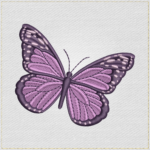 Lilac Flying Butterfly Embroidery Design
Your review
* Review is required
Name
* Name is required
Email
* Email is required
Add photos or video to your review
Related products

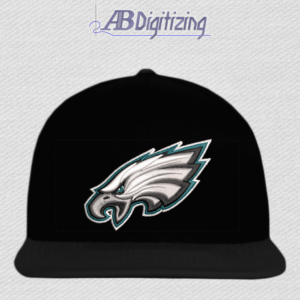
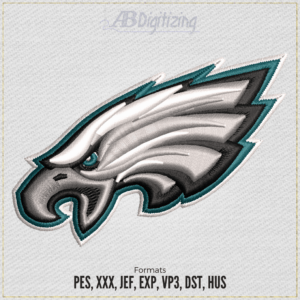
Philadelphia Eagles Embroidery Design – Hat
Original price was: $6.99.$4.99Current price is: $4.99. Add to Wishlist
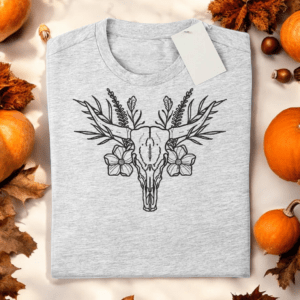
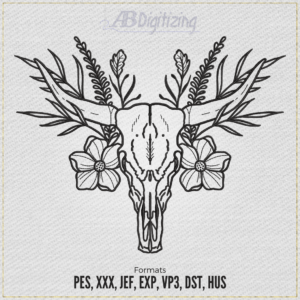
Floral Goat Skull Embroidery Design
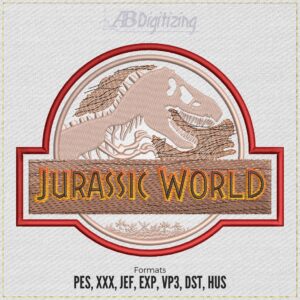
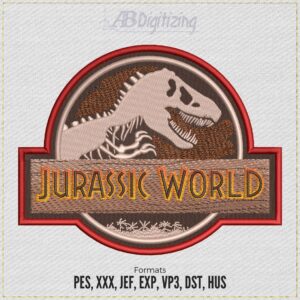
Original price was: $9.80.$4.99Current price is: $4.99. Add to WishlistJurassic World Logo Embroidery Design
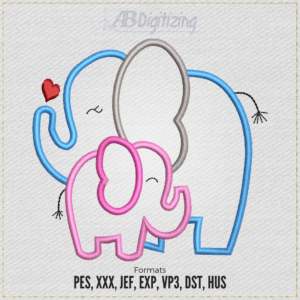
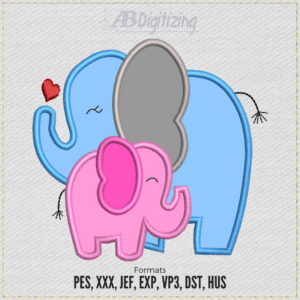
Original price was: $6.99.$4.99Current price is: $4.99. Add to WishlistElephants in love Embroidery Design
$0.00 Add to Wishlist


The detail is crisp and clear, even in the more intricate parts of the design. Held up perfectly on a test swatch and on the final garment. 10/10 quality.