English
  Español
Appliqué Embroidery Digitizing: When to Use Fabric Instead of Thread
Introduction: The Heavy Stitch Dilemma
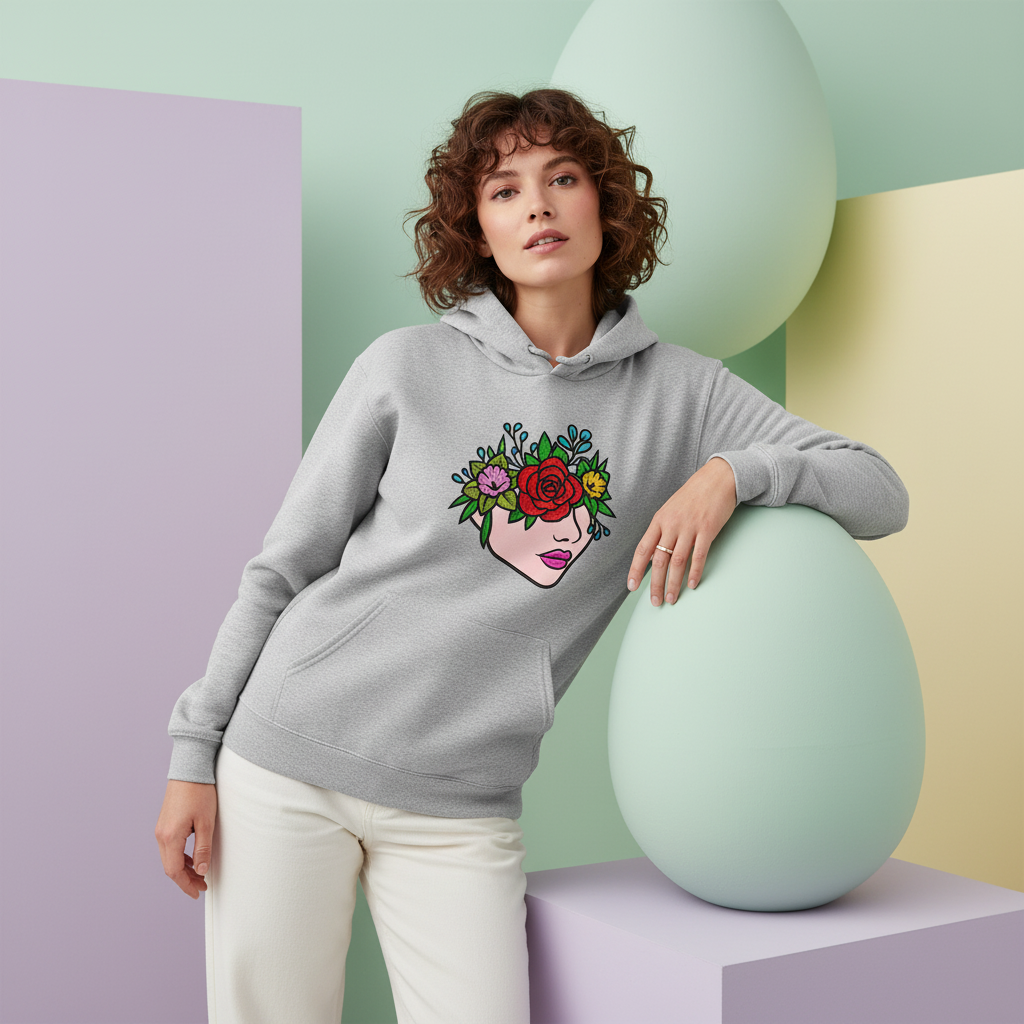
Imagine a customer walks into your embroidery shop in the United States and orders fifty custom collegiate-style hoodies. They want a massive 10-inch university name arched across the chest. If you decide to fill that entire 10-inch area with standard solid thread (using a tatami fill stitch), the design will easily exceed 45,000 stitches. This creates several major problems:
- Production Speed: At a standard machine speed of 800 stitches per minute, a single hoodie will take over 55 minutes to stitch. Your multi-head machine will be locked up for days.
- Garment Stiffness: A 45,000-stitch fill area becomes extremely thick, heavy, and stiff. It will feel like wearing a piece of bulletproof armor, completely ruining the comfortable drape of a premium fleece hoodie.
- Puckering and Pulling: Forcing that many needle penetrations into a soft knit fabric will cause severe puckering, regardless of how much stabilizer you hoop.
The solution? Appliqué embroidery digitizing. By replacing large solid thread fills with physical pieces of fabric (like twill, felt, or leather) and bordering them with elegant satin stitches, you can reduce your stitch counts by over 70% and create gorgeous, premium retail-ready apparel. Let’s master the mechanics of professional appliqué digitizing.
1. The Standard Three-Step Digitizing Process
A professional manual digitizer programs an appliqué file with a precise sequence of color stops that guide the machine operator through the placement, securing, and trimming process. This sequence is strictly standardized:
Step 1: The Placement Line (Run Stitch)
The first color stop in an appliqué file is a simple, high-speed single running stitch that traces the exact shape of the design onto the hooped garment. Once this line is complete, the machine is programmed to pause (using an “applique stop” command). The operator then places a piece of appliqué fabric over the placement line, ensuring it covers the entire outline completely. You can use temporary spray adhesive (like 505 spray) to hold the fabric in place.
Step 2: The Tack-Down Stitch (Run or Zigzag)
The second color stop is a secure tack-down stitch. This runs along the inside of the placement line, locking the appliqué fabric firmly down to the base garment. Once the tack-down is complete, the machine pauses again. The operator slides the hoop out (without unhooping the garment!) and uses sharp, curved appliqué scissors (duckbill scissors) to trim the excess appliqué fabric as close to the tack-down line as possible (ideally within 1mm).
Step 3: The Cover Stitch (Satin Border)
The third and final color stop is the visible cover stitch. The machine resumes and lays down a wide, dense satin stitch border (usually 3.5mm to 4.5mm wide) that completely encloses the raw edges of the trimmed appliqué fabric, sealing it forever and preventing fraying. A professional manual digitizer will place an edge walk underlay beneath this satin column to ensure the edges are crisp and straight. Read more about underlay settings in our underlay stitches guide.
2. Advanced Appliqué Techniques: Laser Cut vs. Hand Cut
If you are running a high-volume production line, hand-trimming fabric with scissors will slow you down. This is where laser-cut appliqué comes in. Instead of trimming the fabric on the machine, you purchase pre-cut fabric patches cut to the exact size by a laser cutter. The digitizer programs the file with a placement line, you place the pre-cut patch directly on the line, and the machine tacks it down and covers it in one continuous run, completely eliminating the cutting pause. This is a game-changer for uniform branding.
At ABDigitizing, we specialize in manually programming high-quality, production-friendly appliqué embroidery digitizing files compatible with both hand-cut and pre-cut laser patch systems, ensuring your machine runs at top speed with minimal downtime. Check out our latest creations in our premium designs catalog.
Conclusion: Transform Your Outerwear Designs
Appliqué is the ultimate way to deliver large, bold designs without sacrificing garment comfort, production speed, or thread cost. Whether you are creating sports letters, vintage hoodie patches, or complex leather jacket backs, investing in professional manual digitizing ensures your placement, tack-down, and cover borders are perfectly synchronized, resulting in spectacular stitch-outs every single time.